
Set the Intensity, Not the Outcome
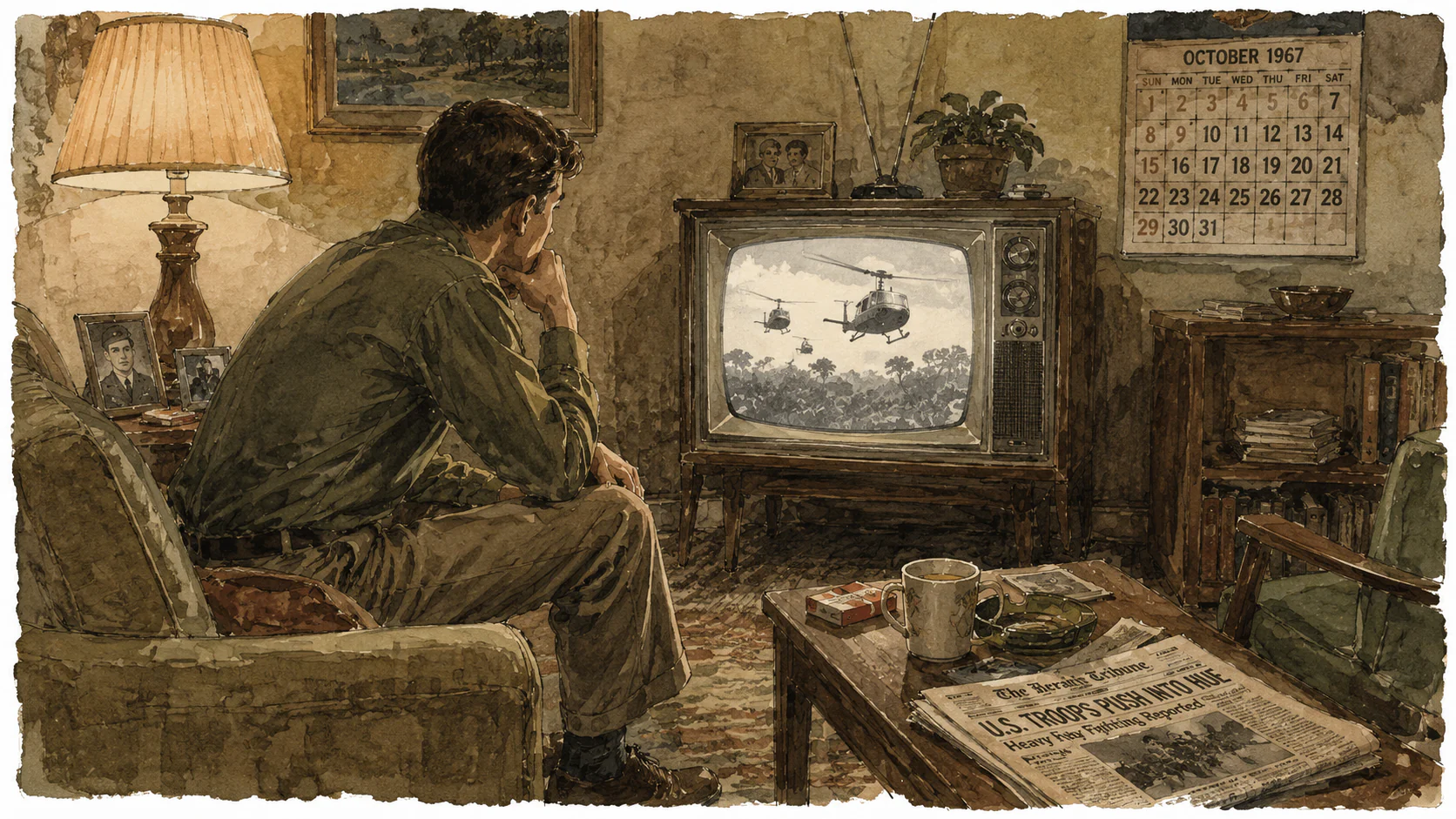
P.A.T.H.: Vietnam deals with war, injury, fear, prejudice, loss and difficult choices. Those subjects cannot be made harmless with a settings menu. They can, however, be presented with more respect for the person sitting in front of the screen.
The current game gives the player control over text, content detail, movement, flashing and decision pressure. These options change how the experience is delivered. They do not make story decisions on the player's behalf and they do not erase consequences from the campaign.
That distinction is the foundation of the system: set the intensity, not the outcome.
Six controls, written in plain language
The Accessibility & Sensitivity document brings six presentation choices into one place.
Text Size offers Standard or Large. Text Speed ranges from Relaxed through Standard and Brisk to Instant. These controls are simple, but they matter in a game built around a great deal of reading. A player should not have to accept tiny type or a slow reveal simply because it was the designer's preferred tempo.
Content has three modes:
- Historical uses the full authored text.
- Balanced keeps the material serious while softening some explicit detail.
- Redacted replaces marked sensitive passages with context-preserving
summaries.
The game does not use Redacted as a euphemism for “nothing bad happened.” The event and its consequence remain part of the tour. The wording changes so a player can continue without receiving the same degree of detail.
Motion can follow the operating system or be set to Full, Reduced or None. The choice affects decorative movement and interactions such as the Pocket Guide's page turn. The book remains functional in every mode; only the animation changes.
Flashing is off by default. A player may allow isolated single flashes, but the game does not use rapid strobing sequences. This is both a comfort choice and a clear design limit.
Decision Pressure can keep the authored timer, double the available time or remove the timer entirely. No Timer still requires an explicit decision. It removes the clock, not the choice.
##
The warning control stays within reach
Presentation settings are offered at the beginning of a new tour, after the game has introduced itself on an illustrated screen. The player can review them before continuing or keep the existing preferences.
The same controls remain available through the persistent ! button and the Field Desk's Accessibility & Sensitivity section. Returning players go directly to the settings rather than repeating the introductory explanation.
This matters because needs can change. A player may be comfortable with full motion on one device and prefer none on another. A difficult part of the story may make Balanced or Redacted a better choice for a while. A decision timer that felt exciting yesterday may feel exhausting today.
The game should not treat the first selection as a lifetime contract.
Preferences belong to the device, not the soldier
These presentation choices are stored separately from the campaign save. They remain selected on the device where they were set, but they do not become part of the soldier's identity or alter the history recorded in the tour.
That separation has a practical consequence for cloud play: opening the same tour on a second device can bring the soldier's progress across, while the new device keeps its own text, motion, flash and pressure preferences. The player should review those settings when changing screens or input methods.
Audio also has its own mixer. Master, environment and radio levels can be balanced separately because a loud firefight ambience and a quiet radio programme are different listening problems. Audio remains nearby without being crammed into the same list as content and motion.
Accessibility is not one switch
There is no universal “accessible mode.” Large text does not solve flashing. Reduced motion does not solve difficult content. Removing a decision timer does not help someone who needs a different audio mix.
The current options are therefore specific. Each one names the thing it changes and gives the player a small set of understandable choices.
This approach also exposes the gaps more honestly. The game does not currently claim complete screen-reader narration or every possible accessibility feature. Those would require their own design, implementation and testing. A useful set of controls should not be marketed as universal coverage.
The work is ongoing in another sense too: every new visual effect, timed choice and sensitive passage has to respect the established preferences. A setting page is only the promise. Individual scenes have to keep it.
Tension can survive without coercion
Timed decisions can create pressure. Motion can create energy. Unredacted text can carry historical force. None of those tools becomes stronger simply because the player cannot refuse it.
If anything, meaningful control makes the remaining tension more honest. A player who chooses Historical content and full decision pressure has chosen that presentation knowingly. A player who needs summaries and no timer still faces the same underlying situation and remains responsible for the choice made.
The aim is not to make the war comfortable. It is to avoid making the interface an unnecessary adversary.
P.A.T.H.: Vietnam asks the player to carry a long tour. These controls let the player decide how the screen carries it back.