Major Work, Minor Human Moments
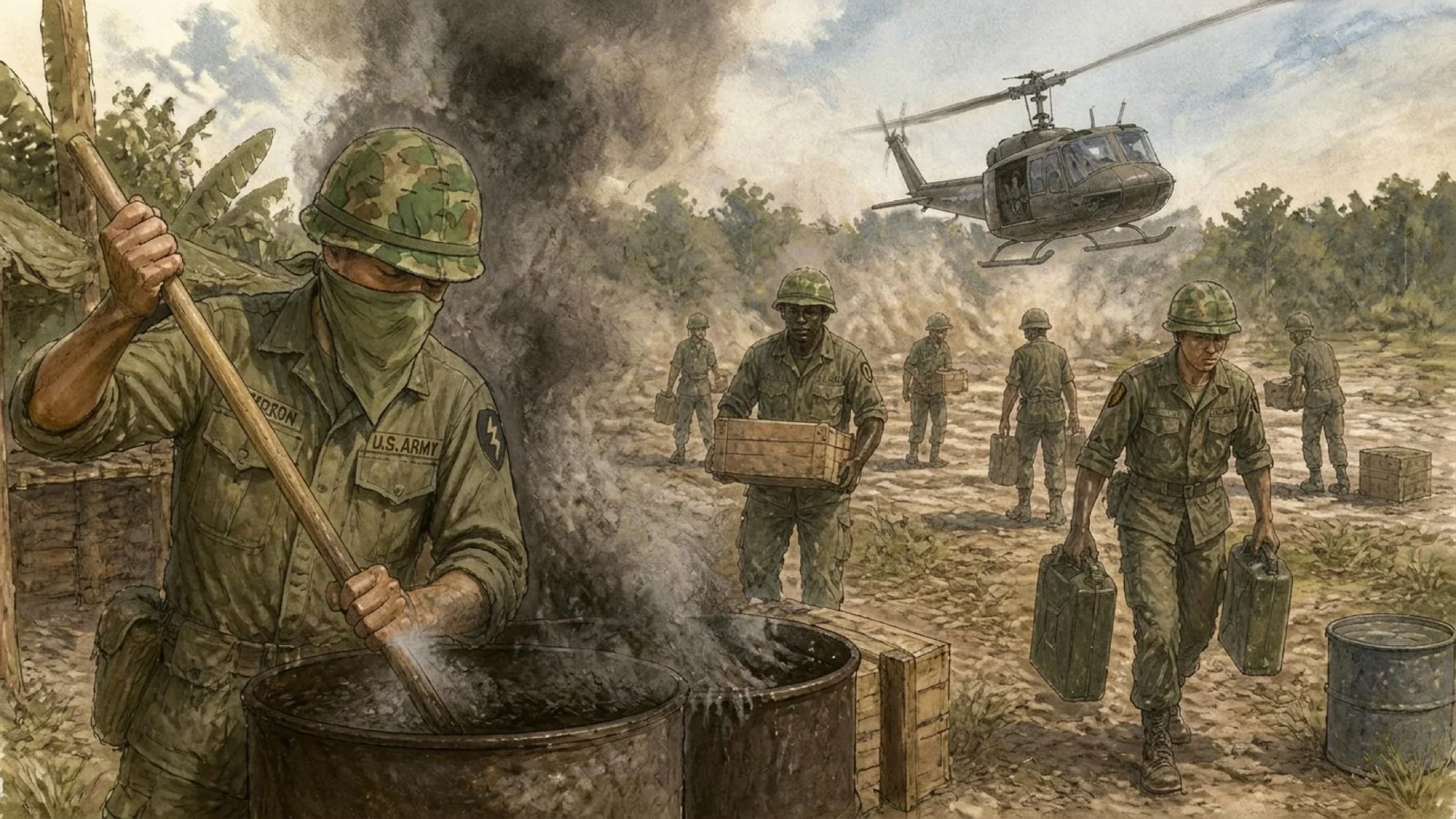
The Action Board in P.A.T.H.: Vietnam divides choices into Major and Minor actions. The labels describe time and effort, not importance.
A work detail can occupy the centre of a day. Writing one honest letter may occupy the character's mind for a month. Standing watch is a Major action. Cleaning a weapon is Minor until the day the weapon would otherwise jam.
Understanding this distinction helps players plan without flattening the tour into a schedule of rewards.
What makes an action Major?
A Major action represents the substantial duty, recovery, or commitment of the day. You normally have one. Examples include pulling a work detail, standing a watch, or choosing meaningful rest.
The one-major limit does useful design work. It prevents the character from being everywhere and doing everything. More importantly, it makes the player recognize that effort has a shape.
If you spend the day's central energy helping repair the firebase, you have contributed to the place everyone relies on. If you spend it on rest, you are accepting that the body has become the day's responsibility. If orders send the squad outside the wire, the operation may take the choice away entirely.
A Major action should therefore be read in context. What condition is the character in? What does the base need? What has the squad been doing lately? What is coming on the calendar? The strongest choice is often the one that prevents tomorrow from becoming worse.
Why Minor does not mean trivial
Minor actions fit around the main duty. They include writing home, talking with a squadmate, reading, listening to the radio, taking a photograph, cleaning a weapon, tending to small needs, visiting the PX truck, and working at the trades and routines that make a difficult place livable.
Early in the tour, the list may feel limited. As the character becomes more seasoned, more possibilities open. This creates a subtle form of progression. The soldier does not only get stronger; he learns how to inhabit the place.
Minor actions are also where the player's version of the character becomes visible. Two Grunts can perform the same duties and live very different tours because one writes constantly, another takes photographs, and a third spends every available evening with the squad.
The game does not need a personality quiz to label those differences. Repeated small actions do the work.
A practical planning method
When the Action Board opens, try this three-question method.
First: what must not be neglected?
Check sleep, meals, feet, washing, weapon condition, and any immediate responsibility created by the day. If a problem is becoming serious, it deserves attention before an attractive optional action.
Second: what is the day's one priority?
This is usually the Major action. The answer may be duty, recovery, or preparation. Do not choose solely by the largest visible gain. Choose the action that fits the character's condition and the current state of the tour.
Third: what makes the day belong to this person?
Use a Minor action for the human thread: a letter, conversation, photo, purchase, book, radio programme, or personal routine. It does not need to be dramatic. Consistency can become character.
This method keeps the player from opening every menu in search of the perfect move. Need, priority, person.
The temptation to be endlessly useful
Long-form games create a particular pressure. The player sees many systems and wants every day to advance all of them.
That is not how a year works.
Some days will repair the base but not the character's mood. Some conversations will deepen a relationship without improving a skill. Some rest days will feel quiet because the important result is that a problem stopped worsening. A missed opportunity may return later, or it may not.
P.A.T.H.: Vietnam becomes more interesting when the player accepts limits. The character cannot write to everyone, maintain everything, help every squadmate, train every skill, save every dollar, and remain perfectly rested at the same time.
The roleplaying lives inside that shortage.
Let archetype affect the board
Your military role can change how you read the same action.
A Mechanic may see a work detail as a chance to make a whole movement safer. A Medic may see rest as preventive care rather than withdrawal. An RTO may value radio time differently after a day carrying operational traffic. A Machine Gunner may need maintenance and physical recovery more urgently because his load imposes a different cost.
This does not mean every action needs a role-exclusive result. Sometimes the meaning changes because the player understands the character, not because the game displays a special badge.
Background matters too. Writing home is different when the character has a clear correspondent and an unresolved problem. A PX purchase is different when money is expected elsewhere. Taking a photo is different when the player has already decided why the character wants a record.
When the war takes the board away
Operations and emergencies can interrupt ordinary planning. A patrol does not care that you intended to train, wash, or have a conversation.
This is why routine matters. The clean weapon, prepared loadout, rested body, and maintained relationship cannot always be assembled after orders arrive. Minor actions on quiet days create resilience for days that are not quiet.
The interruption also protects the game from becoming predictable. The player can make a plan without owning the day. History, duty, and chance remain present.
Read the journal afterward
The nightly journal is the best answer to the question, “Did I use the day well?”
It gathers events and actions into a narrative rather than a score. Sometimes the entry reveals that the apparent Minor action carried the emotional centre. Sometimes the Major duty dominates. Sometimes the most honest result is that the day was fragmented and tiring.
That is acceptable. The aim is not to produce 366 perfect diary pages.
Major and Minor actions give the day structure without claiming that human importance can be sorted by size. The work keeps the tour moving. The small moments explain who is moving through it.